


Leak Detection Methods for Helium Mass Spectrometer Leak Detectors — Sniffer Probe Method
Publishdatea:2019-12-12 Views:271
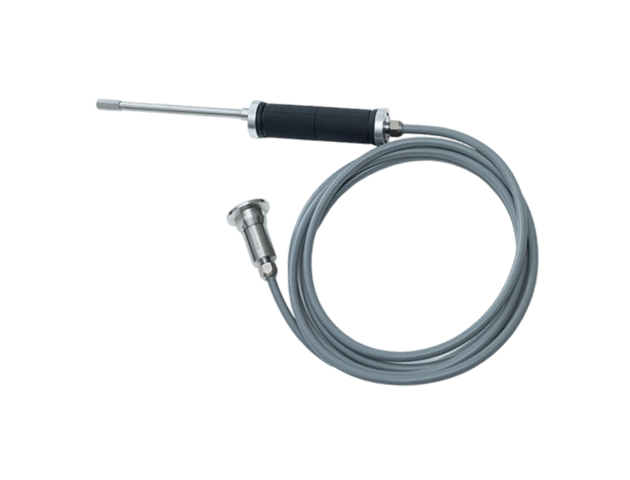
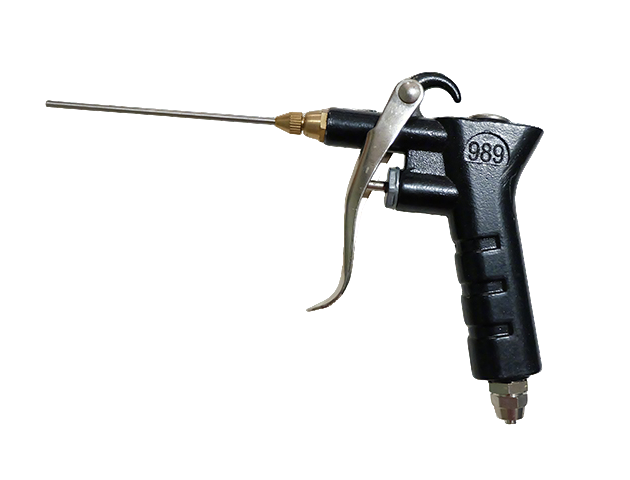
The test workpiece is pressurized with helium tracer gas above atmospheric pressure, and the leak test port of the helium mass spectrometer leak detector is connected to the sniffer probe. When the test workpiece has a leak, the escaping helium is drawn in by the sniffer probe into the helium mass spectrometer leak detector and is thereby detected. The sniffer probe is moved over the surface of the test workpiece while the operator monitors the leak rate reading on the detector. Once the leak rate increases, the position indicated by the sniffer probe is the location of the leak. Therefore, the sniffer probe method is a leak detection technique that can pinpoint the exact location of a leak.
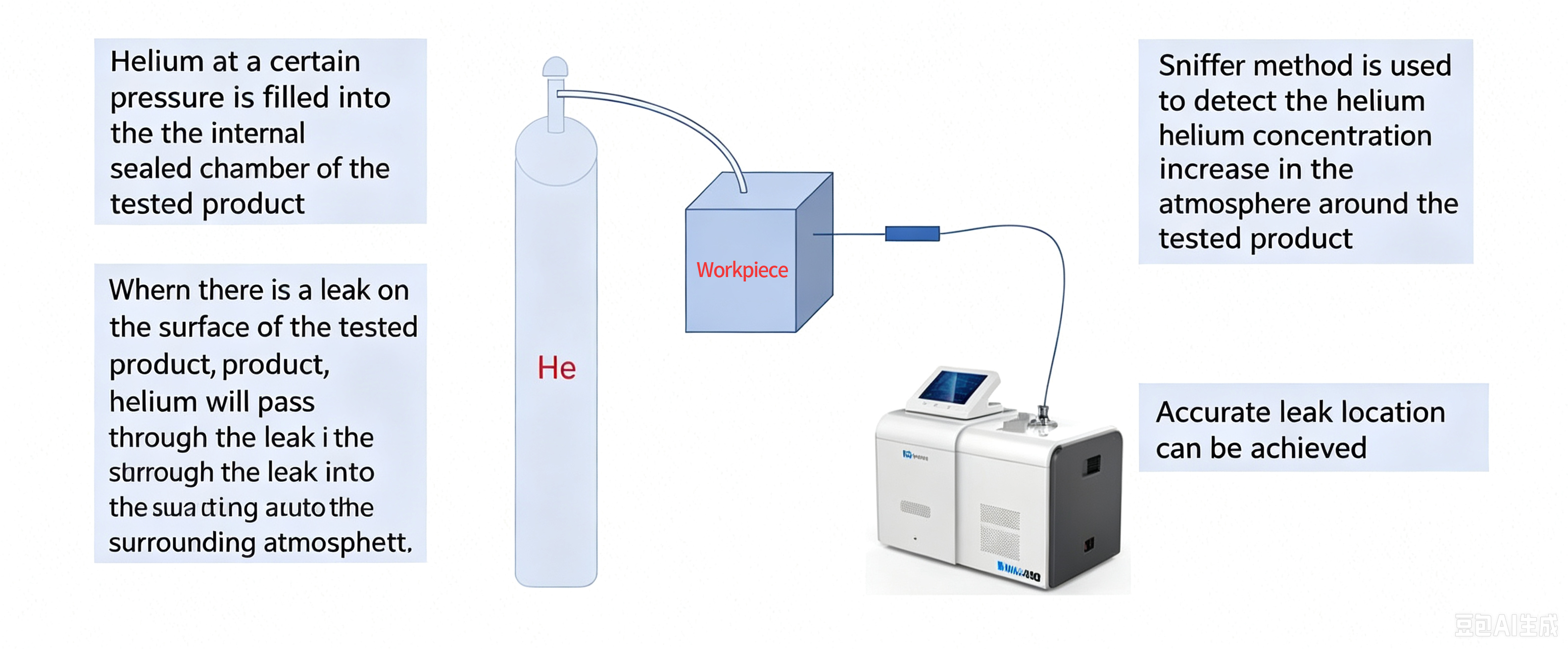
Compared with vacuum testing, the difference with the sniffer probe method is that the test workpiece is not connected to the leak detector; instead, the leak detector collects helium that has leaked from the workpiece into the atmosphere through the sniffer probe, including the 5.2 ppm of helium present in normal air.
Because the mobile sniffer probe method is affected by many factors — such as the distance between the probe and the workpiece, the speed at which the probe is moved, and the ambient air conditions — it is difficult to achieve 100% capture of the leaking helium. Therefore, the mobile sniffer method is not suitable for large-area leak searching, as the movement speed cannot be too fast (ideally no more than 10 mm/s), making it too time-consuming to keep up with production line cycle times. Studies have shown that under favorable ambient conditions — i.e., with effective prevention of helium interference — the sniffer method can detect leak rates down to 1×10⁻⁸ Pa·m³/s.
Since helium is lighter than air and diffuses rapidly, the inspection sequence for mobile sniffer leak detection should follow the principle of moving from bottom to top. In certain specific cases, the sniffer probe tip can be shaped to directly cover welds, joints, and other suspected leak points, which allows for closer to 100% capture of leaking helium.
Regarding response time: the time from when the sniffer probe first contacts helium until the leak detector's signal reaches 63% of its stable value is defined as the sniffer response time. This time is related to the probe structure and also includes the response time of the helium mass spectrometer leak detector itself. A longer sniffer hose results in a longer response time. For sniffer probes with excessively long response times, the movement speed must be reduced; otherwise, it becomes difficult to pinpoint the leak location. We recommend using high-speed sniffers, which offer the advantage of large gas sampling volume and faster response, enabling quicker detection of large leaks.
The test workpiece is pressurized with helium tracer gas above atmospheric pressure, and the leak test port of the helium mass spectrometer leak detector is connected to the sniffer probe. When the test workpiece has a leak, the escaping helium is drawn in by the sniffer probe into the helium mass spectrometer leak detector and is thereby detected. The sniffer probe is moved over the surface of the test workpiece while the operator monitors the leak rate reading on the detector. Once the leak rate increases, the position indicated by the sniffer probe is the location of the leak. Therefore, the sniffer probe method is a leak detection technique that can pinpoint the exact location of a leak.
Compared with vacuum testing, the difference with the sniffer probe method is that the test workpiece is not connected to the leak detector; instead, the leak detector collects helium that has leaked from the workpiece into the atmosphere through the sniffer probe, including the 5.2 ppm of helium present in normal air.
Because the mobile sniffer probe method is affected by many factors — such as the distance between the probe and the workpiece, the speed at which the probe is moved, and the ambient air conditions — it is difficult to achieve 100% capture of the leaking helium. Therefore, the mobile sniffer method is not suitable for large-area leak searching, as the movement speed cannot be too fast (ideally no more than 10 mm/s), making it too time-consuming to keep up with production line cycle times. Studies have shown that under favorable ambient conditions — i.e., with effective prevention of helium interference — the sniffer method can detect leak rates down to 1×10⁻⁸ Pa·m³/s.
Since helium is lighter than air and diffuses rapidly, the inspection sequence for mobile sniffer leak detection should follow the principle of moving from bottom to top. In certain specific cases, the sniffer probe tip can be shaped to directly cover welds, joints, and other suspected leak points, which allows for closer to 100% capture of leaking helium.
Regarding response time: the time from when the sniffer probe first contacts helium until the leak detector's signal reaches 63% of its stable value is defined as the sniffer response time. This time is related to the probe structure and also includes the response time of the helium mass spectrometer leak detector itself. A longer sniffer hose results in a longer response time. For sniffer probes with excessively long response times, the movement speed must be reduced; otherwise, it becomes difficult to pinpoint the leak location. We recommend using high-speed sniffers, which offer the advantage of large gas sampling volume and faster response, enabling quicker detection of large leaks.