





Back-Pressure Leak Detection Method for Helium Mass Spectrometer Leak Detectors — Explanation
Publishdatea:2022-08-17 Views:110
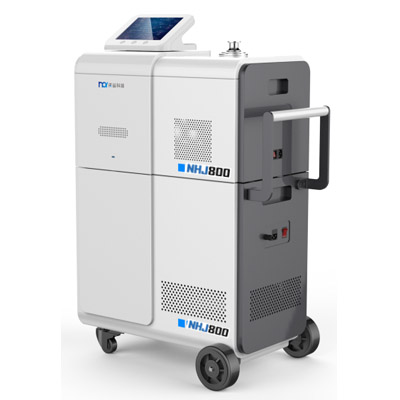
Advantages of the Back-Pressure Leak Detection Method:
1. High detection sensitivity
2. Capable of batch testing
Disadvantages of the Sniffer Probe Method:
1. Not suitable for leak detection of large sealed containers
2. After fine leak testing is completed, additional methods are required for gross leak testing to rule out the possibility of large leaks
Standards for the Back-Pressure Leak Detection Method:
QJ3212-2005 "Helium Mass Spectrometer Back-Pressure Leak Detection Method," GJB360A-1996 "Test Methods for Electronic and Electrical Components — Method 112 Sealing Test"
Introduction to Helium Pressurization Chamber and Leak Test Chamber
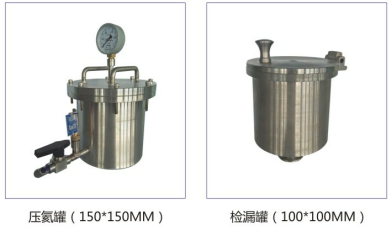
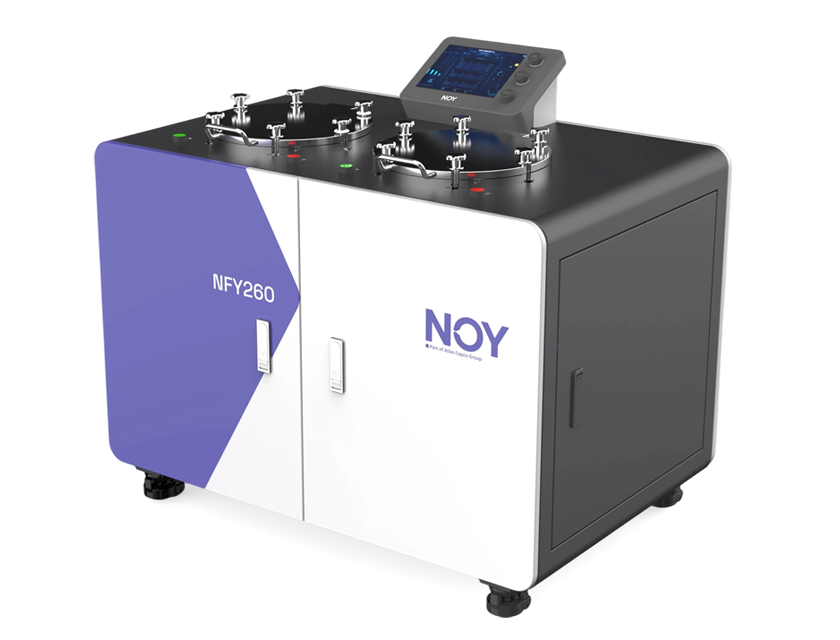
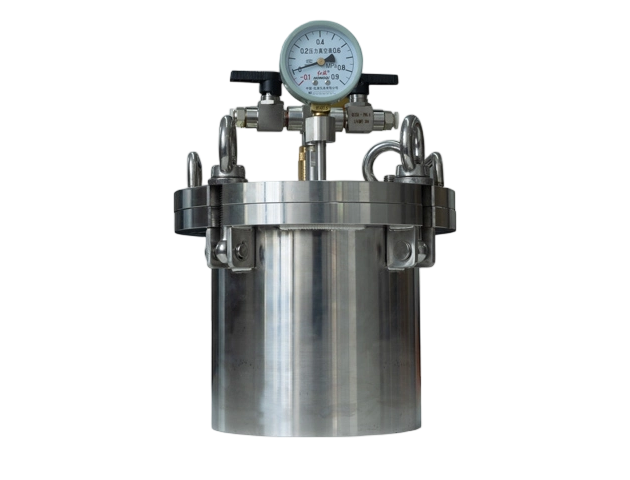
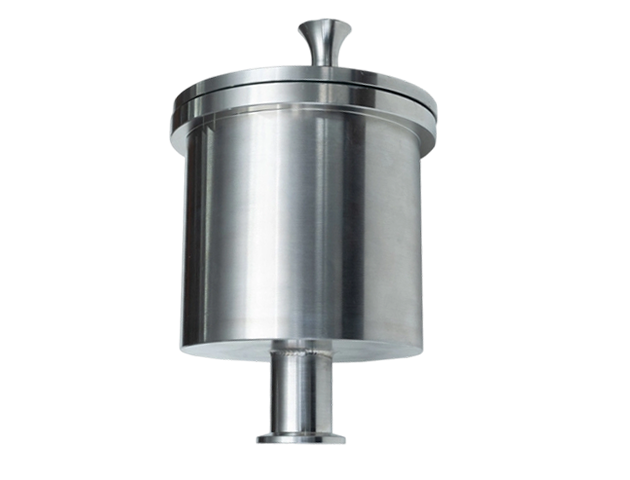
Accessories required for back-pressure leak testing. The helium pressurization chamber is a cavity used to pressurize test workpieces with helium. The leak test chamber is used in conjunction with the leak detector for testing workpieces. Sizes can be customized.
Back-Pressure Leak Detection Method
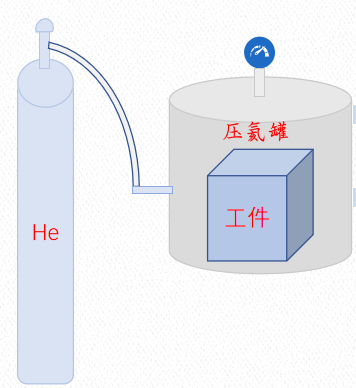
2. After the pressure drops below 100 Pa, fill with pure helium as specified in GB4844-1984, with a fill time greater than 20 seconds.
3. Once the pressure reaches the required helium pressurization level, maintain the pressure for the required hold time.
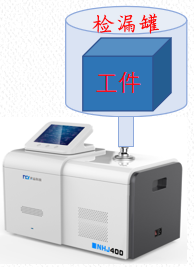
II. Leak Detection
1. Turn on the leak detector and ensure it is in normal leak detection mode.
2. Place the test piece into the leak test chamber connected to the leak detector for testing.
3. After a specified detection period, record the leak rate value.
Advantages of the Back-Pressure Leak Detection Method:
1. High detection sensitivity
2. Capable of batch testing
Disadvantages of the Sniffer Probe Method:
1. Not suitable for leak detection of large sealed containers
2. After fine leak testing is completed, additional methods are required for gross leak testing to rule out the possibility of large leaks
Standards for the Back-Pressure Leak Detection Method:
QJ3212-2005 "Helium Mass Spectrometer Back-Pressure Leak Detection Method," GJB360A-1996 "Test Methods for Electronic and Electrical Components — Method 112 Sealing Test"
Introduction to Helium Pressurization Chamber and Leak Test Chamber
Accessories required for back-pressure leak testing. The helium pressurization chamber is a cavity used to pressurize test workpieces with helium. The leak test chamber is used in conjunction with the leak detector for testing workpieces. Sizes can be customized.
Back-Pressure Leak Detection Method
2. After the pressure drops below 100 Pa, fill with pure helium as specified in GB4844-1984, with a fill time greater than 20 seconds.
3. Once the pressure reaches the required helium pressurization level, maintain the pressure for the required hold time.
II. Leak Detection
1. Turn on the leak detector and ensure it is in normal leak detection mode.
2. Place the test piece into the leak test chamber connected to the leak detector for testing.
3. After a specified detection period, record the leak rate value.