


Application of Helium Mass Spectrometer Leak Detector in Prismatic Aluminum-Cased Cell Leak Detection for the Lithium Battery Industry
Publishdatea:2022-03-11 Views:245
Why Must Lithium Battery Cells Undergo Leak Detection? Cause Analysis:
A typical power lithium battery cell consists of a positive electrode, a negative electrode, a separator, and an electrolyte. These cells are arranged within the packaging. Due to the highly active chemical properties of lithium metal, the production, storage, and application of lithium materials require stringent environmental conditions. In lithium batteries, the sealing quality of the casing welds is a critical area that must be leak-tested. If the electrolyte inside the battery leaks due to poor sealing performance of the casing, it can react violently with moisture in the environment. This not only causes serious harm to the environment and personnel but also affects the service life of the equipment. Therefore, leak testing is essential during the assembly and sealing processes (cylindrical and prismatic cells are sealed by welding) of lithium batteries. Depending on the production process and manufacturing requirements, either a helium mass spectrometer leak detector or a helium leak detection system can be selected.
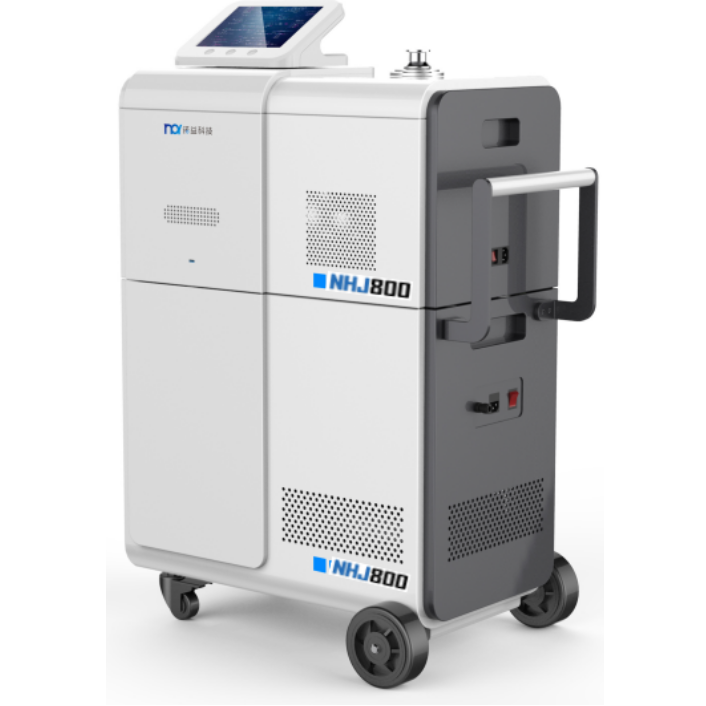
Many lithium battery companies have come to realize that replacing traditional air leak testing with helium leak detection in sealing performance testing can significantly improve both leak detection efficiency and precision.
Safety is an eternal theme for power batteries. At present, various new energy vehicle battery manufacturers are actively improving production technologies and upgrading production lines to enhance product quality at the manufacturing level. At the same time, battery manufacturers are employing various inspection methods to further improve battery safety, among which leak testing is an indispensable step in ensuring battery safety.
As we all know, leaks can cause a range of issues in lithium batteries, such as electrolyte evaporation, moisture ingress, and swelling, which can lead to performance degradation or even fires and explosions. The sealing performance of the battery casing directly determines the safety of the battery. Therefore, improving the precision and efficiency of lithium battery leak testing is particularly important.
At present, many lithium battery companies have recognized that using helium leak detection instead of traditional air leak detection in sealing performance testing can achieve significant improvements in both leak detection efficiency and accuracy.
Battery modules and battery packs are often equipped with cooling channels that use a mixture of water and ethylene glycol or refrigerant from the vehicle's air conditioning system for cooling. In addition, the electronic modules that control battery operation are also typically cooled to a certain extent by water-ethylene glycol mixtures or refrigerants. For cooling systems, preventing leaks of cooling water or refrigerant is critical. For cooling with water-ethylene glycol mixtures, a leak rate threshold of 10⁻³ mbar·l/s (0.06 sccm) is generally set. Refrigerant circuits, on the other hand, must maintain leak rates within the range of 10⁻⁵ mbar·l/s.
Battery packs are typically enclosed in housings that must meet IP67 (or higher) water ingress protection ratings, with leak rates in the range of 5×10⁻³ mbar·l/s.
Battery Pack Cooling Circuit Leak Testing
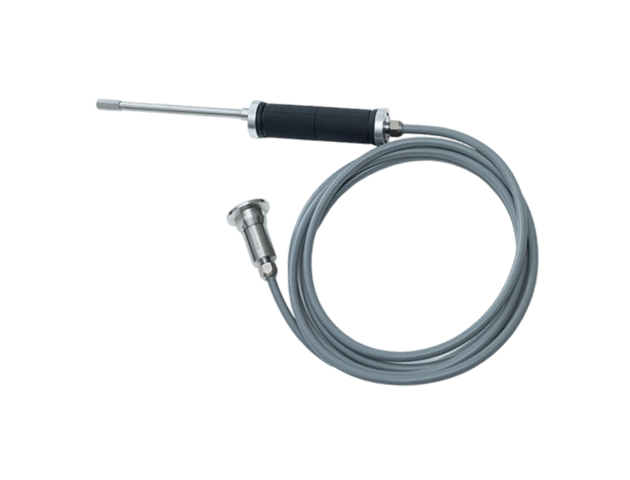
When testing battery pack cooling circuits, it is recommended to first drain the cooling circuit and then refill it with helium. Subsequently, the sniffer probe of the helium leak detector is moved across the test area to scan all welded/brazed joints. If a leak exists, the helium mass spectrometer leak detector will detect the helium escaping from the leak point. Moving the sniffer nozzle back and forth repeatedly allows for precise location of the leak area. The leak detector will indicate higher leak rates at the actual leak point, enabling exact localization.
Leak Testing in Predefined Areas Using Sniffer Probe Detection
Large battery packs must be tested by manual or robotic sniffer leak detection. The battery pack housing is first filled with a tracer gas mixture (5% hydrogen, 95% nitrogen), and then the sniffer probe of the helium leak detector is moved over potential leak areas (either manually or robotically). When the sniffer nozzle passes over a leak point, it detects the hydrogen in the escaping gas, thereby pinpointing the leak location.
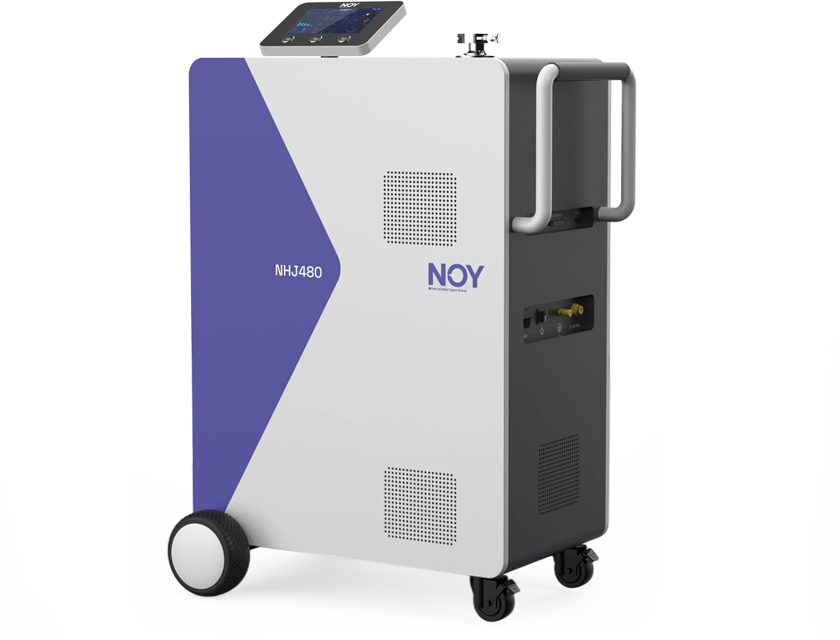
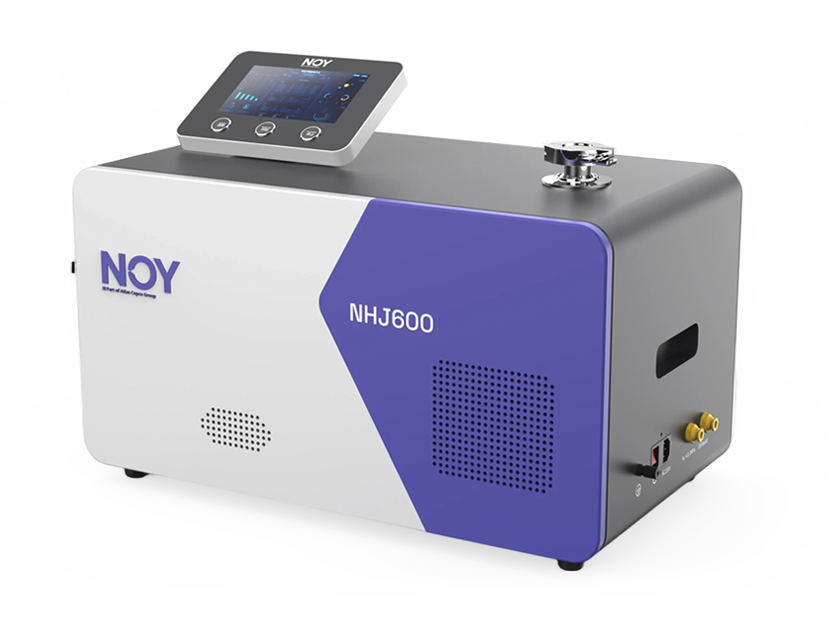
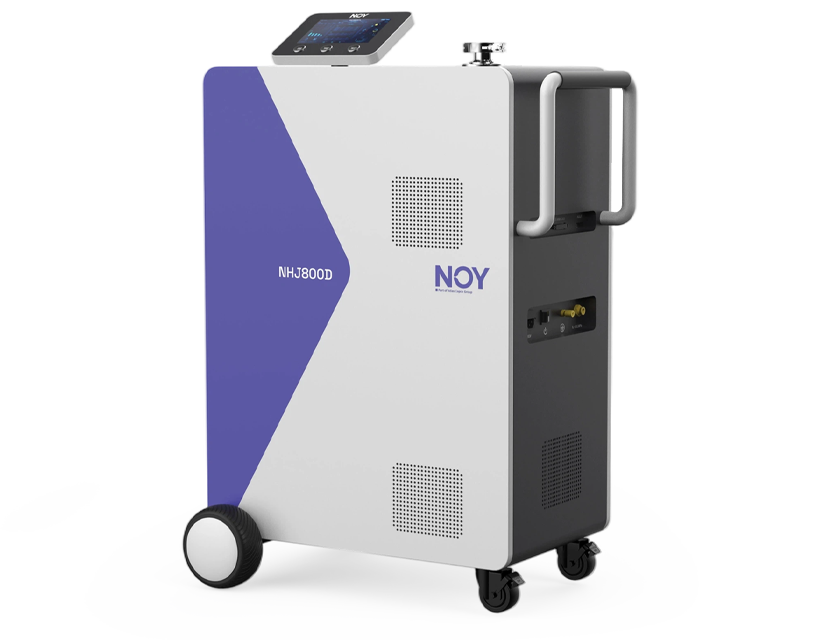
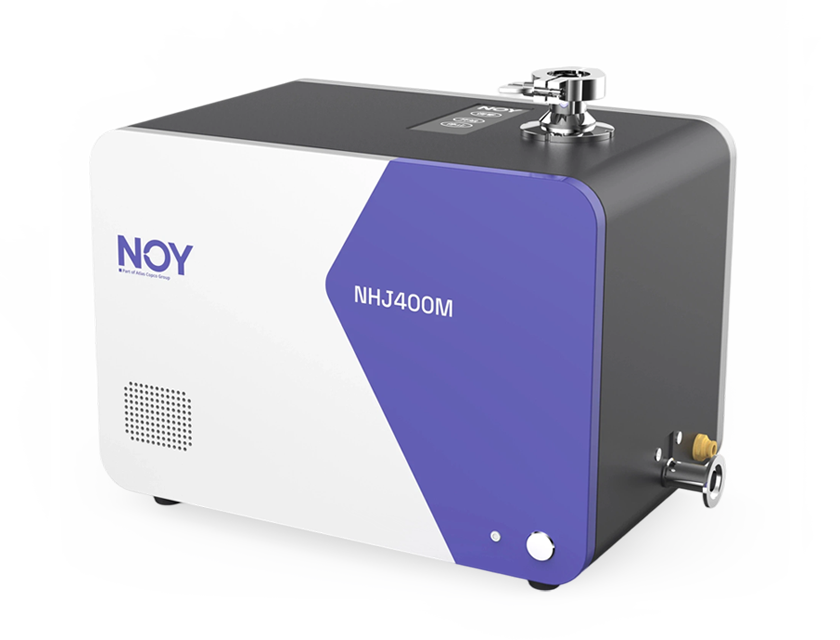
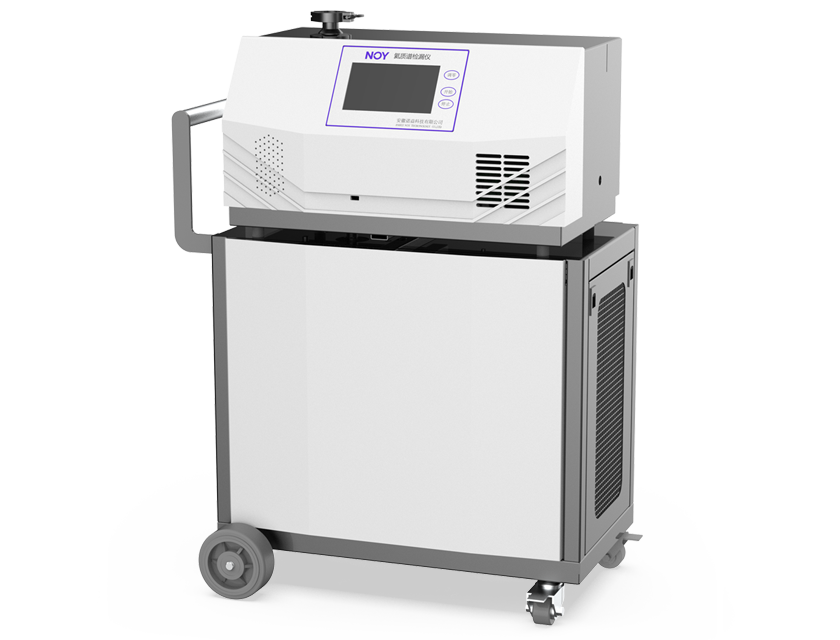
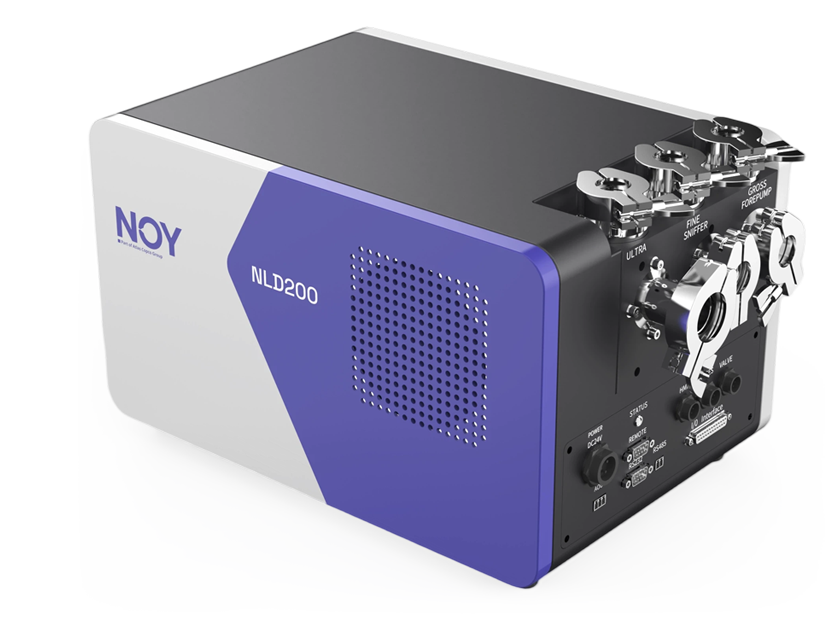
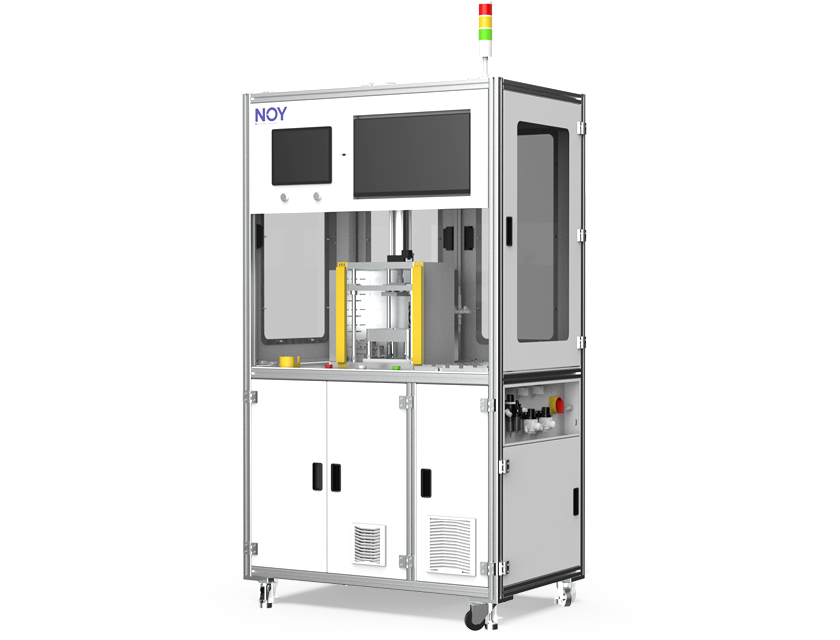
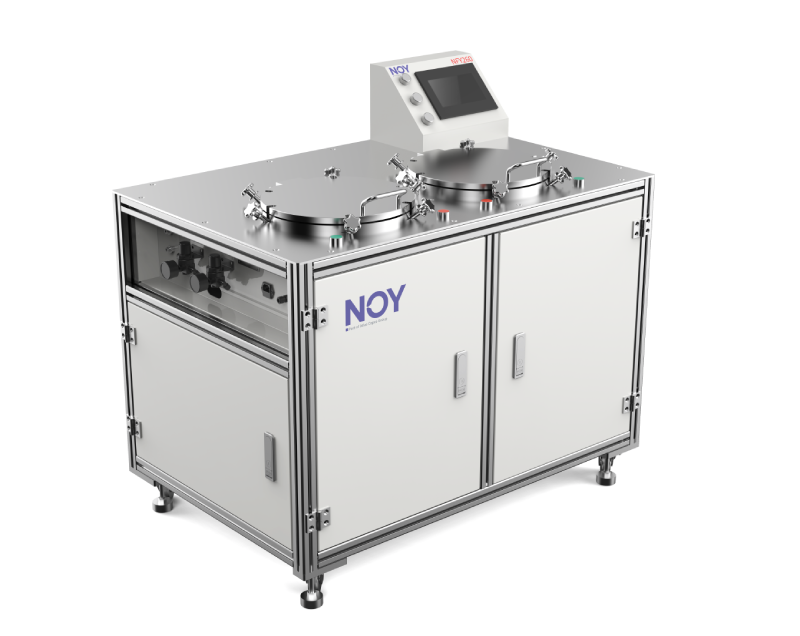
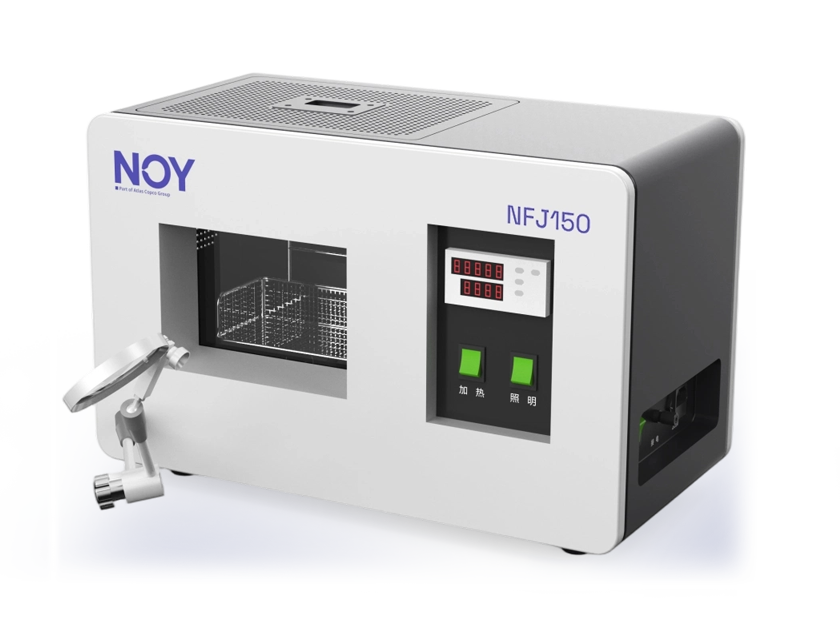
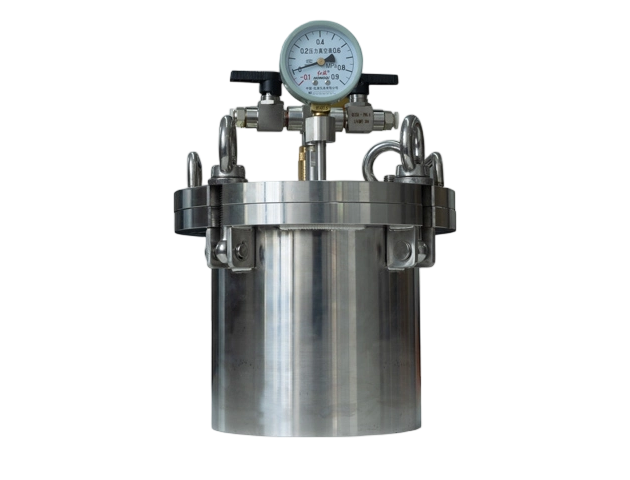
From the perspective of product quality improvement, battery manufacturers will place increasing emphasis on helium leak detection, while also raising higher demands on helium leak detection equipment providers. NOY is committed to delivering more reliable helium mass spectrometer leak detection equipment, bringing new ideas and solutions for helium leak detection to the lithium battery industry, and further enhancing the safety and performance of domestically produced batteries. NOY offers a complete product line of helium mass spectrometer leak detectors, ranging from portable instruments to leak detection modules, providing both vacuum (negative pressure) and sniffer probe (positive pressure) leak detection methods to suit various applications. The helium mass spectrometer leak detectors are suitable for stand-alone operation and can also be integrated into leak detection systems or PLC-controlled setups. NOY has independently developed fully automatic helium leak detection systems specifically for the new energy power lithium battery industry, delivering stable and reliable performance during the leak testing of aluminum-cased, plastic-cased, prismatic, and cylindrical lithium batteries — both in pre-filling leak testing (intermediate inspection) and post-filling helium-sealed leak testing (finished product inspection).
Why Must Lithium Battery Cells Undergo Leak Detection? Cause Analysis:
A typical power lithium battery cell consists of a positive electrode, a negative electrode, a separator, and an electrolyte. These cells are arranged within the packaging. Due to the highly active chemical properties of lithium metal, the production, storage, and application of lithium materials require stringent environmental conditions. In lithium batteries, the sealing quality of the casing welds is a critical area that must be leak-tested. If the electrolyte inside the battery leaks due to poor sealing performance of the casing, it can react violently with moisture in the environment. This not only causes serious harm to the environment and personnel but also affects the service life of the equipment. Therefore, leak testing is essential during the assembly and sealing processes (cylindrical and prismatic cells are sealed by welding) of lithium batteries. Depending on the production process and manufacturing requirements, either a helium mass spectrometer leak detector or a helium leak detection system can be selected.
Many lithium battery companies have come to realize that replacing traditional air leak testing with helium leak detection in sealing performance testing can significantly improve both leak detection efficiency and precision.
Safety is an eternal theme for power batteries. At present, various new energy vehicle battery manufacturers are actively improving production technologies and upgrading production lines to enhance product quality at the manufacturing level. At the same time, battery manufacturers are employing various inspection methods to further improve battery safety, among which leak testing is an indispensable step in ensuring battery safety.
As we all know, leaks can cause a range of issues in lithium batteries, such as electrolyte evaporation, moisture ingress, and swelling, which can lead to performance degradation or even fires and explosions. The sealing performance of the battery casing directly determines the safety of the battery. Therefore, improving the precision and efficiency of lithium battery leak testing is particularly important.
At present, many lithium battery companies have recognized that using helium leak detection instead of traditional air leak detection in sealing performance testing can achieve significant improvements in both leak detection efficiency and accuracy.
Battery modules and battery packs are often equipped with cooling channels that use a mixture of water and ethylene glycol or refrigerant from the vehicle's air conditioning system for cooling. In addition, the electronic modules that control battery operation are also typically cooled to a certain extent by water-ethylene glycol mixtures or refrigerants. For cooling systems, preventing leaks of cooling water or refrigerant is critical. For cooling with water-ethylene glycol mixtures, a leak rate threshold of 10⁻³ mbar·l/s (0.06 sccm) is generally set. Refrigerant circuits, on the other hand, must maintain leak rates within the range of 10⁻⁵ mbar·l/s.
Battery packs are typically enclosed in housings that must meet IP67 (or higher) water ingress protection ratings, with leak rates in the range of 5×10⁻³ mbar·l/s.
Battery Pack Cooling Circuit Leak Testing
When testing battery pack cooling circuits, it is recommended to first drain the cooling circuit and then refill it with helium. Subsequently, the sniffer probe of the helium leak detector is moved across the test area to scan all welded/brazed joints. If a leak exists, the helium mass spectrometer leak detector will detect the helium escaping from the leak point. Moving the sniffer nozzle back and forth repeatedly allows for precise location of the leak area. The leak detector will indicate higher leak rates at the actual leak point, enabling exact localization.
Leak Testing in Predefined Areas Using Sniffer Probe Detection
Large battery packs must be tested by manual or robotic sniffer leak detection. The battery pack housing is first filled with a tracer gas mixture (5% hydrogen, 95% nitrogen), and then the sniffer probe of the helium leak detector is moved over potential leak areas (either manually or robotically). When the sniffer nozzle passes over a leak point, it detects the hydrogen in the escaping gas, thereby pinpointing the leak location.
From the perspective of product quality improvement, battery manufacturers will place increasing emphasis on helium leak detection, while also raising higher demands on helium leak detection equipment providers. NOY is committed to delivering more reliable helium mass spectrometer leak detection equipment, bringing new ideas and solutions for helium leak detection to the lithium battery industry, and further enhancing the safety and performance of domestically produced batteries. NOY offers a complete product line of helium mass spectrometer leak detectors, ranging from portable instruments to leak detection modules, providing both vacuum (negative pressure) and sniffer probe (positive pressure) leak detection methods to suit various applications. The helium mass spectrometer leak detectors are suitable for stand-alone operation and can also be integrated into leak detection systems or PLC-controlled setups. NOY has independently developed fully automatic helium leak detection systems specifically for the new energy power lithium battery industry, delivering stable and reliable performance during the leak testing of aluminum-cased, plastic-cased, prismatic, and cylindrical lithium batteries — both in pre-filling leak testing (intermediate inspection) and post-filling helium-sealed leak testing (finished product inspection).