


Helium Mass Spectrometer Leak Detection by Spraying Method for High-Purity Gas Piping Systems
Publishdatea:2022-03-14 Views:242
a. Test Objective
Helium mass spectrometer leak detection uses the instrument's ability to sense trace amounts of helium that have leaked into the system. The leak rate is determined based on the quantity of helium detected. This method is applicable to all high-purity gas and specialty gas delivery piping systems.
b. Related Terms and Explanations
Vacuum degree: the degree of gas rarefaction in a vacuum state, commonly described as "high vacuum" or "low vacuum."
Vacuum degree units: Torr, Pa.
1 Torr = 1/760 atm = 1 mmHg
1 Torr = 133.322 Pa
1 Pa = 7.5×10⁻³ Torr
Leak rate: the rate at which a substance leaks from a closed vacuum space under external standard atmospheric pressure per unit of time.
Common leak rate units: Pa·m³/s, mbar·l/s, atm·cc/s
10 Pa·m³/s = 1 mbar·l/s = 1 atm·cc/s
Molecular pump: a pump that uses high-speed rotating blades to drive gas molecules toward the exhaust port when they collide with the turbine blades, where they are then removed by a backing pump.
c. Test Instrument
Helium mass spectrometer leak detector
d. Pre-Test Preparation
(1) The system has successfully passed the pressure-holding leak test.
(2) Confirm that all components of the system can withstand vacuum conditions without damage.
(3) First, perform a leak rate check on the leak detector's internal valve assembly and connecting lines.
(4) Before connecting the leak detector to the system piping, release any gas from the system under test.
(5) Slowly open the valve at the leak detector inlet to evacuate the piping between the leak detector and the system isolation valve until the background leak rate displayed on the leak detector is below 1×10⁻⁹ mbar·l/s.
(6) Spray helium onto all weld beads and mechanical connections on the connecting lines.
(7) After confirming that the connecting lines are leak-free, close the valve at the leak detector inlet.
e. Test Method
(1) Confirm that the pressure gauges on the system are compound gauges capable of withstanding negative pressure. If not, remove the pressure gauges and seal the openings with plugs. Ensure that all valves and pressure regulators in the system are fully open.
(2) Typically, helium leak testing requires two people: one to spray helium and the other to monitor the leak detector's readings.
(3) Confirm that the pressure in the system is zero. If there is positive pressure in the system, vent the gas first. Slowly open the isolation valve between the system and the leak detector.
(4) Slowly open the valve at the leak detector inlet to begin evacuating the system. Follow the leak detector's operating instructions until it reaches a measurable state.
(5) Record the background helium leak rate of the leak detector. Spraying may only begin once the background leak rate is below 1×10⁻⁹ mbar·l/s.
(6) Do not perform a zero adjustment on the leak detector during the testing process.
Note: If helium or moisture has been introduced into the system prior to leak testing due to other reasons (such as improper inspection or installation), purge the piping system with high-purity nitrogen to remove the helium or moisture so that the test can proceed smoothly. If the background helium leak rate still cannot be reduced to below 1×10⁻⁹ mbar·l/s after 30 minutes, the tester may spray helium at the connection points to check for obvious leaks. If none are found, close the leak detector inlet valve, repressurize the system with high-purity nitrogen, flush each section of the system at least once, then continuously purge for another 30 minutes before retesting.
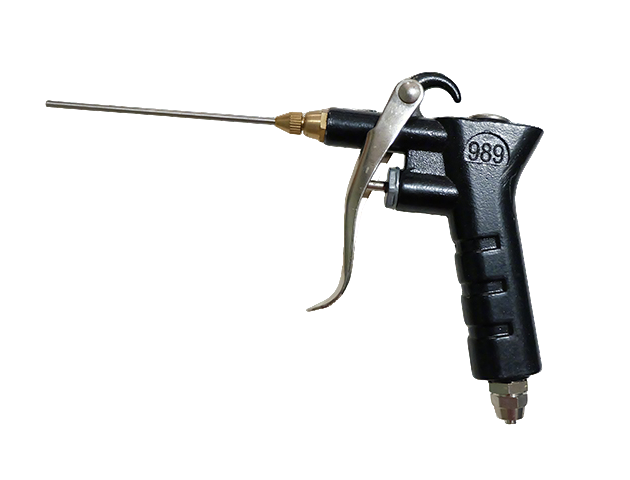
(7) Start testing from the weld bead or connection closest to the leak detector. Spray helium onto the weld or connection using a spray gun so that the helium remains on the weld or connection for a short period. After confirming no leak, proceed to the next weld or connection, continuing until the last one has been tested.
(8) If the leak detector reading increases, wait until the reading returns to normal, then retest that weld or connection to confirm whether a leak is actually present. If the weld or connection is not leaking, check the previous welds or connections sequentially until the leak point is found.
(9) After all joints have been tested, affix a "passed" label to those that meet the criteria. After spraying helium on all joints, continue to observe the leak detector reading for approximately 10 minutes. Only after confirming that no abnormal readings occur should the system be disconnected from the instrument.
(10) Close the valve at the leak detector inlet. If the helium leak rate for each joint is below 1×10⁻⁹ mbar·l/s, the system's leak rate meets the requirements. The tester may record the results in the test report.
(11) Close the system isolation valve and disconnect the leak detector from the system.
Note: When handling high-purity piping and components, follow the owner's relevant procedures to ensure that the piping and components are not contaminated or damaged.
Leak Testing Steps for Double-Wall Piping:
(1) The outer pipe of a double-wall piping system may only be welded after the inner pipe has been installed and tested as qualified.
(2) Installation of the outer pipe does not require the same strict cleanliness standards as the inner pipe, so cleanliness testing is not required. However, the leak-tightness test requirements remain the same as those for the inner pipe.
The helium mass spectrometer leak testing procedure for the outer pipe is the same as the leak testing procedure described above.
After testing is complete, the outer pipe is either evacuated to a vacuum state (-30 in/hg) or filled with nitrogen at 60 PSIG (if the line is equipped with a heating jacket). Since the line has a heating tape, the outer pipe should be filled with nitrogen at 60 PSIG. Continue to observe the pressure gauge on the outer pipe for 24 to 48 hours to confirm that the pressure has not changed.
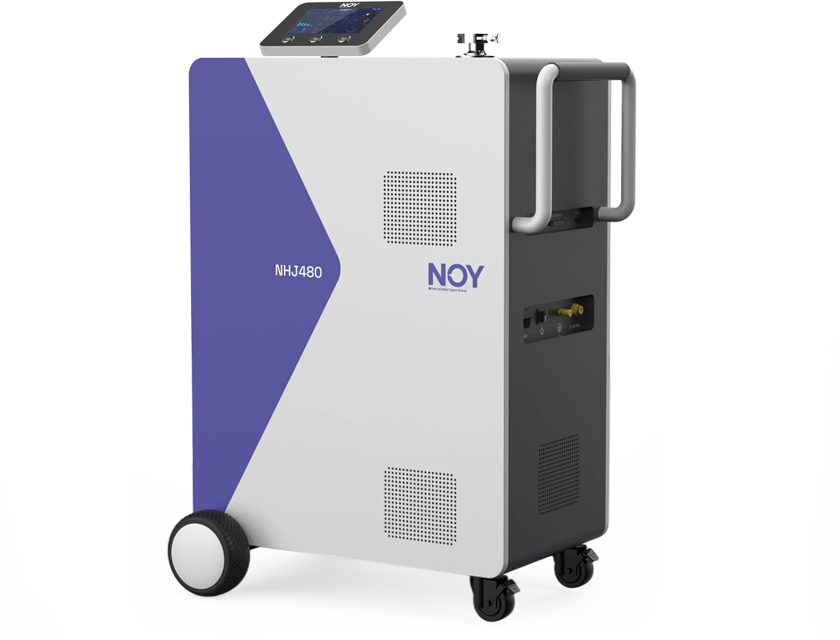
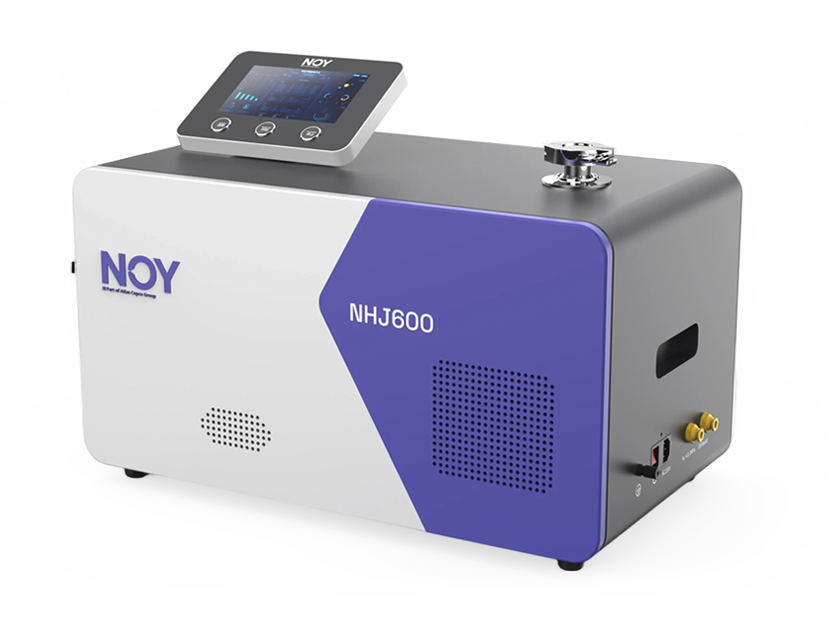
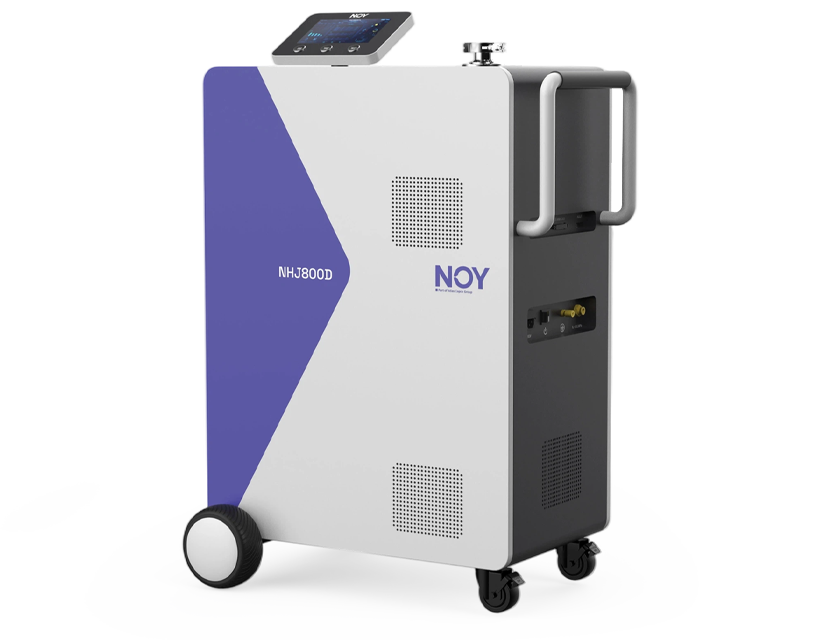
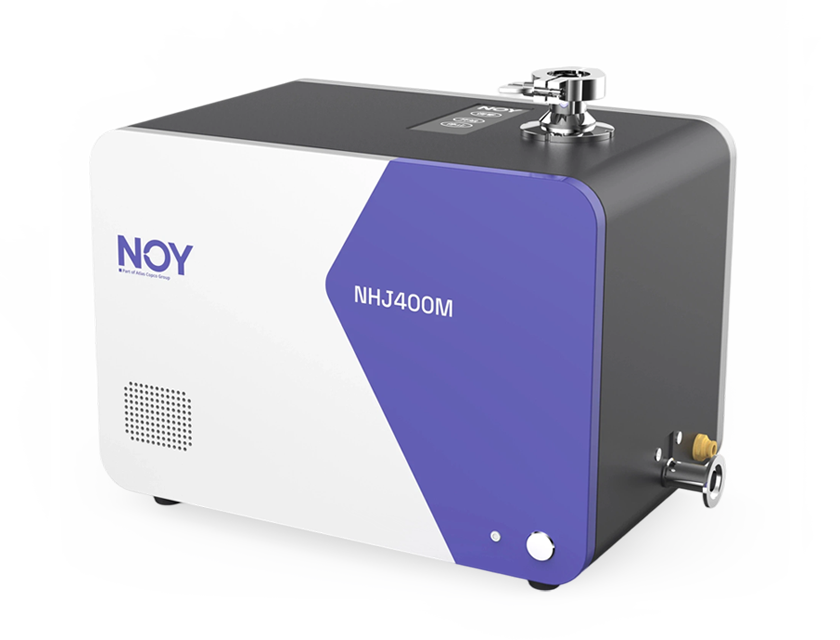
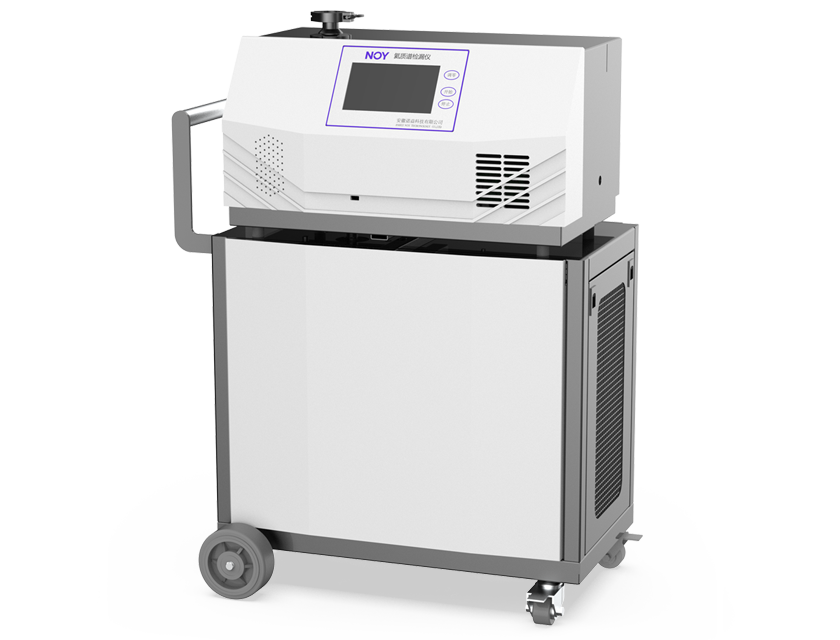
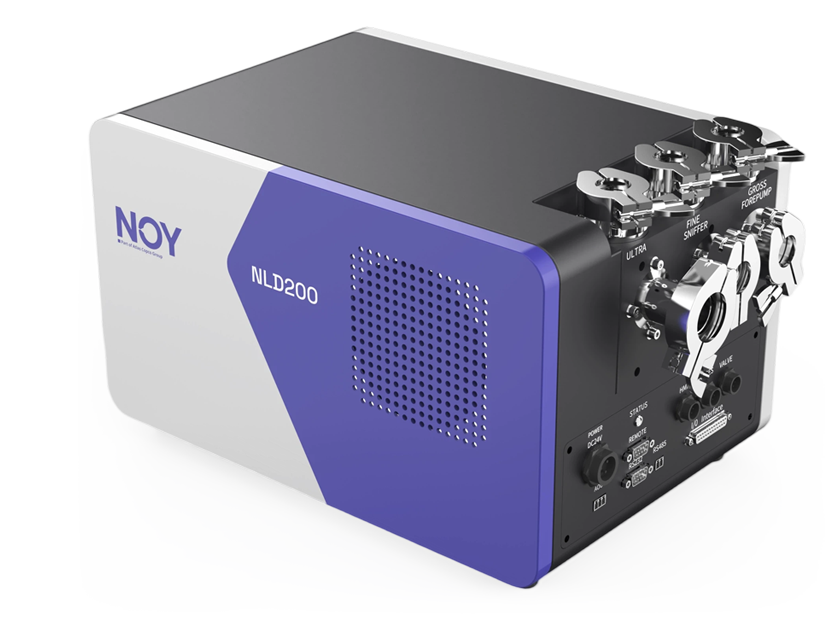
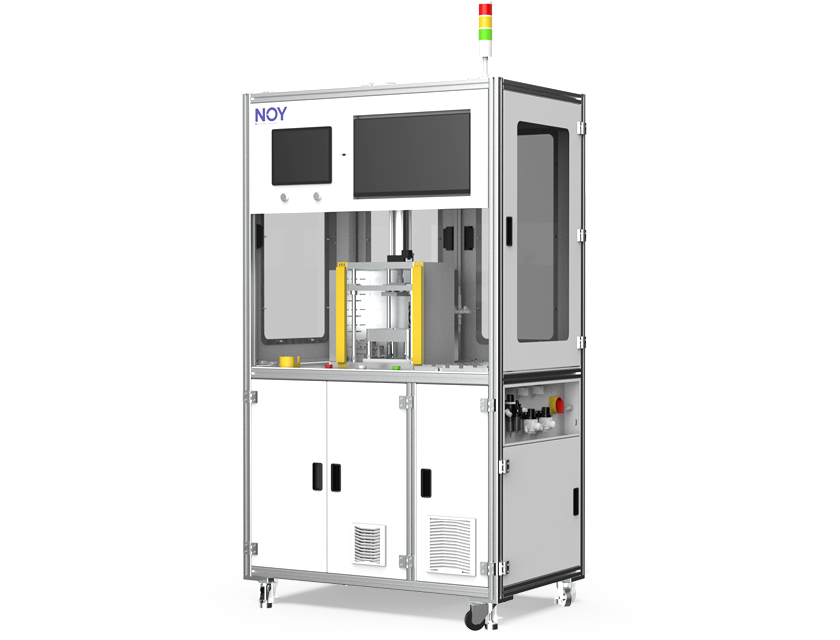
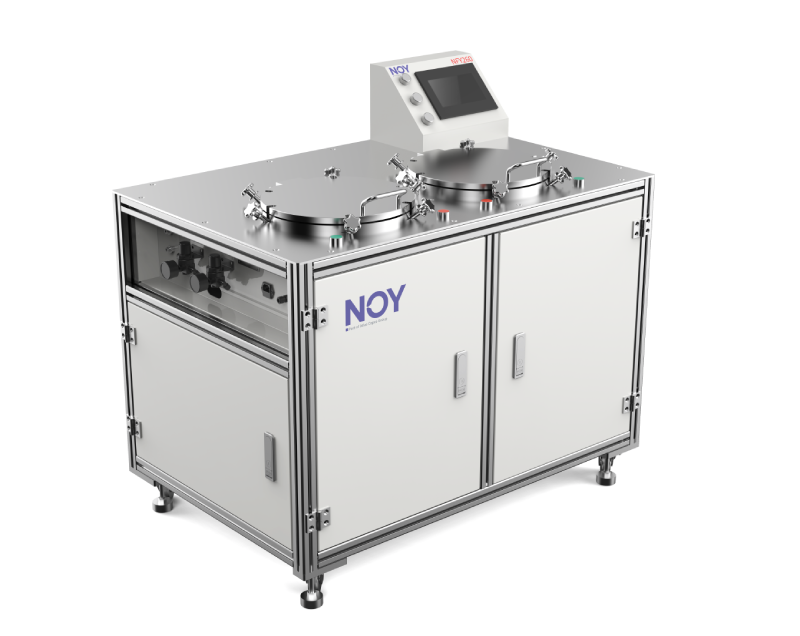
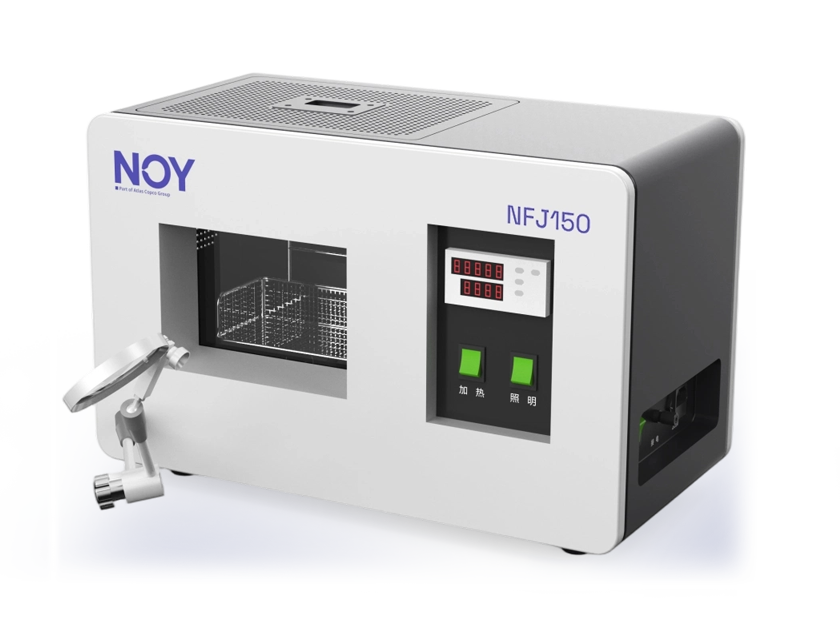
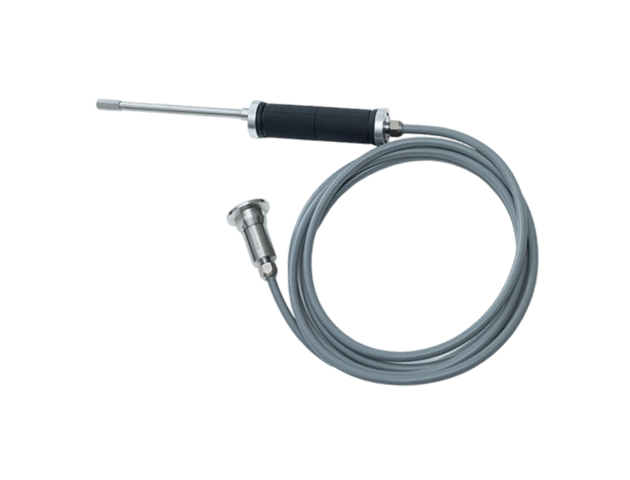
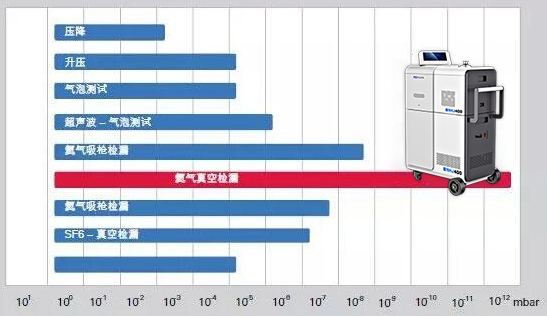
Anhui NOY Technology offers a complete product line of helium mass spectrometer leak detectors, ranging from portable instruments to leak detection modules, providing both vacuum (negative pressure) leak detection and sniffer probe (positive pressure) leak detection to meet a wide variety of applications. Compared with traditional bubble testing and differential pressure leak testing, helium mass spectrometer leak detectors provide non-destructive leak detection while detecting much smaller leak rates — down to 5×10⁻¹³ Pa·m³/s. Using helium as a tracer gas, leak points can be precisely located and leak rates can be quantified. The helium mass spectrometer leak detectors are suitable for stand-alone operation and can also be integrated into leak detection systems or PLC-controlled setups.
a. Test Objective
Helium mass spectrometer leak detection uses the instrument's ability to sense trace amounts of helium that have leaked into the system. The leak rate is determined based on the quantity of helium detected. This method is applicable to all high-purity gas and specialty gas delivery piping systems.
b. Related Terms and Explanations
Vacuum degree: the degree of gas rarefaction in a vacuum state, commonly described as "high vacuum" or "low vacuum."
Vacuum degree units: Torr, Pa.
1 Torr = 1/760 atm = 1 mmHg
1 Torr = 133.322 Pa
1 Pa = 7.5×10⁻³ Torr
Leak rate: the rate at which a substance leaks from a closed vacuum space under external standard atmospheric pressure per unit of time.
Common leak rate units: Pa·m³/s, mbar·l/s, atm·cc/s
10 Pa·m³/s = 1 mbar·l/s = 1 atm·cc/s
Molecular pump: a pump that uses high-speed rotating blades to drive gas molecules toward the exhaust port when they collide with the turbine blades, where they are then removed by a backing pump.
c. Test Instrument
Helium mass spectrometer leak detector
d. Pre-Test Preparation
(1) The system has successfully passed the pressure-holding leak test.
(2) Confirm that all components of the system can withstand vacuum conditions without damage.
(3) First, perform a leak rate check on the leak detector's internal valve assembly and connecting lines.
(4) Before connecting the leak detector to the system piping, release any gas from the system under test.
(5) Slowly open the valve at the leak detector inlet to evacuate the piping between the leak detector and the system isolation valve until the background leak rate displayed on the leak detector is below 1×10⁻⁹ mbar·l/s.
(6) Spray helium onto all weld beads and mechanical connections on the connecting lines.
(7) After confirming that the connecting lines are leak-free, close the valve at the leak detector inlet.
e. Test Method
(1) Confirm that the pressure gauges on the system are compound gauges capable of withstanding negative pressure. If not, remove the pressure gauges and seal the openings with plugs. Ensure that all valves and pressure regulators in the system are fully open.
(2) Typically, helium leak testing requires two people: one to spray helium and the other to monitor the leak detector's readings.
(3) Confirm that the pressure in the system is zero. If there is positive pressure in the system, vent the gas first. Slowly open the isolation valve between the system and the leak detector.
(4) Slowly open the valve at the leak detector inlet to begin evacuating the system. Follow the leak detector's operating instructions until it reaches a measurable state.
(5) Record the background helium leak rate of the leak detector. Spraying may only begin once the background leak rate is below 1×10⁻⁹ mbar·l/s.
(6) Do not perform a zero adjustment on the leak detector during the testing process.
Note: If helium or moisture has been introduced into the system prior to leak testing due to other reasons (such as improper inspection or installation), purge the piping system with high-purity nitrogen to remove the helium or moisture so that the test can proceed smoothly. If the background helium leak rate still cannot be reduced to below 1×10⁻⁹ mbar·l/s after 30 minutes, the tester may spray helium at the connection points to check for obvious leaks. If none are found, close the leak detector inlet valve, repressurize the system with high-purity nitrogen, flush each section of the system at least once, then continuously purge for another 30 minutes before retesting.
(7) Start testing from the weld bead or connection closest to the leak detector. Spray helium onto the weld or connection using a spray gun so that the helium remains on the weld or connection for a short period. After confirming no leak, proceed to the next weld or connection, continuing until the last one has been tested.
(8) If the leak detector reading increases, wait until the reading returns to normal, then retest that weld or connection to confirm whether a leak is actually present. If the weld or connection is not leaking, check the previous welds or connections sequentially until the leak point is found.
(9) After all joints have been tested, affix a "passed" label to those that meet the criteria. After spraying helium on all joints, continue to observe the leak detector reading for approximately 10 minutes. Only after confirming that no abnormal readings occur should the system be disconnected from the instrument.
(10) Close the valve at the leak detector inlet. If the helium leak rate for each joint is below 1×10⁻⁹ mbar·l/s, the system's leak rate meets the requirements. The tester may record the results in the test report.
(11) Close the system isolation valve and disconnect the leak detector from the system.
Note: When handling high-purity piping and components, follow the owner's relevant procedures to ensure that the piping and components are not contaminated or damaged.
Leak Testing Steps for Double-Wall Piping:
(1) The outer pipe of a double-wall piping system may only be welded after the inner pipe has been installed and tested as qualified.
(2) Installation of the outer pipe does not require the same strict cleanliness standards as the inner pipe, so cleanliness testing is not required. However, the leak-tightness test requirements remain the same as those for the inner pipe.
The helium mass spectrometer leak testing procedure for the outer pipe is the same as the leak testing procedure described above.
After testing is complete, the outer pipe is either evacuated to a vacuum state (-30 in/hg) or filled with nitrogen at 60 PSIG (if the line is equipped with a heating jacket). Since the line has a heating tape, the outer pipe should be filled with nitrogen at 60 PSIG. Continue to observe the pressure gauge on the outer pipe for 24 to 48 hours to confirm that the pressure has not changed.
Anhui NOY Technology offers a complete product line of helium mass spectrometer leak detectors, ranging from portable instruments to leak detection modules, providing both vacuum (negative pressure) leak detection and sniffer probe (positive pressure) leak detection to meet a wide variety of applications. Compared with traditional bubble testing and differential pressure leak testing, helium mass spectrometer leak detectors provide non-destructive leak detection while detecting much smaller leak rates — down to 5×10⁻¹³ Pa·m³/s. Using helium as a tracer gas, leak points can be precisely located and leak rates can be quantified. The helium mass spectrometer leak detectors are suitable for stand-alone operation and can also be integrated into leak detection systems or PLC-controlled setups.