


Overall Structure of the Helium Mass Spectrometer Leak Detector
Publishdatea:2019-09-26 Views:245
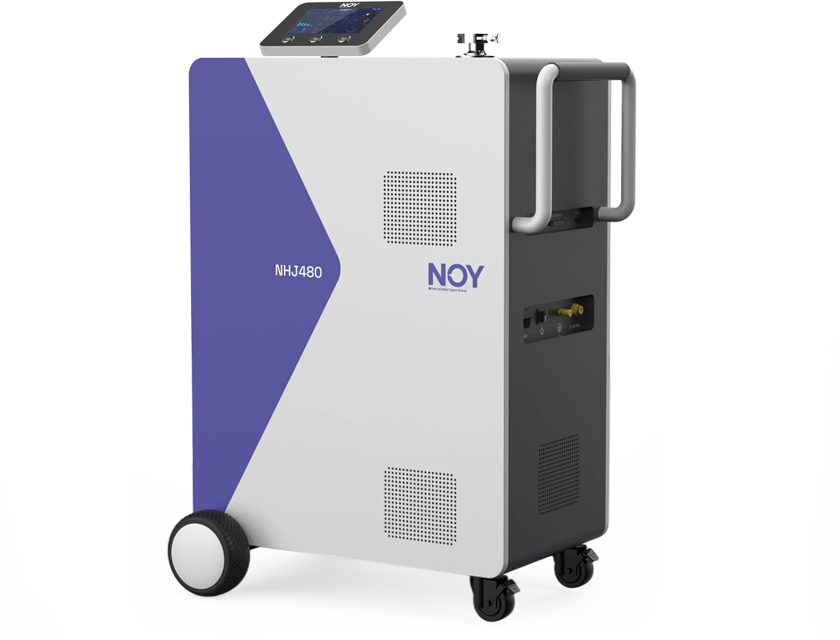
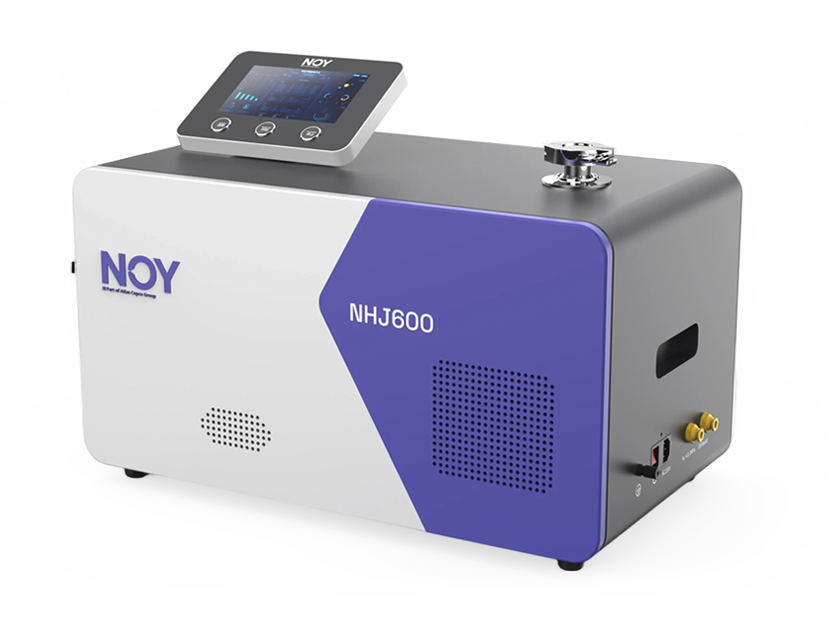
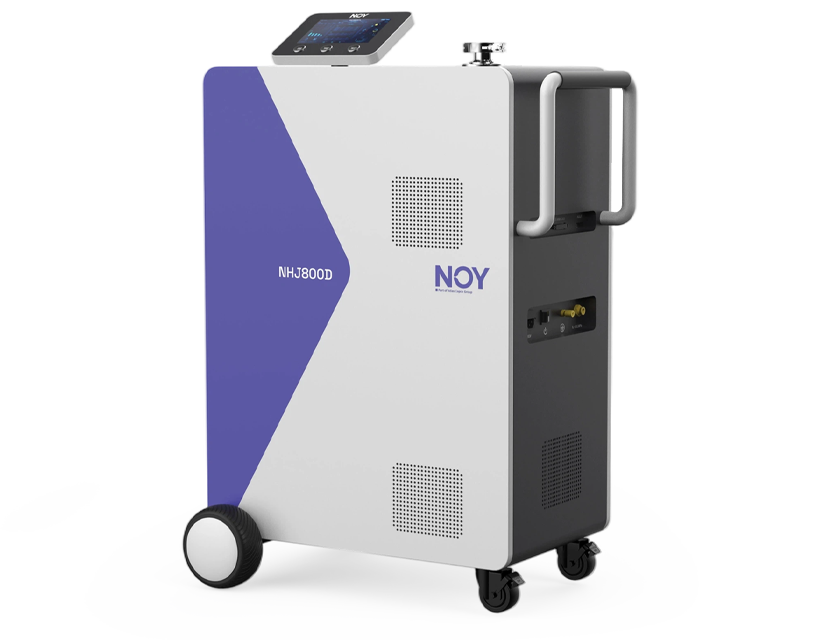
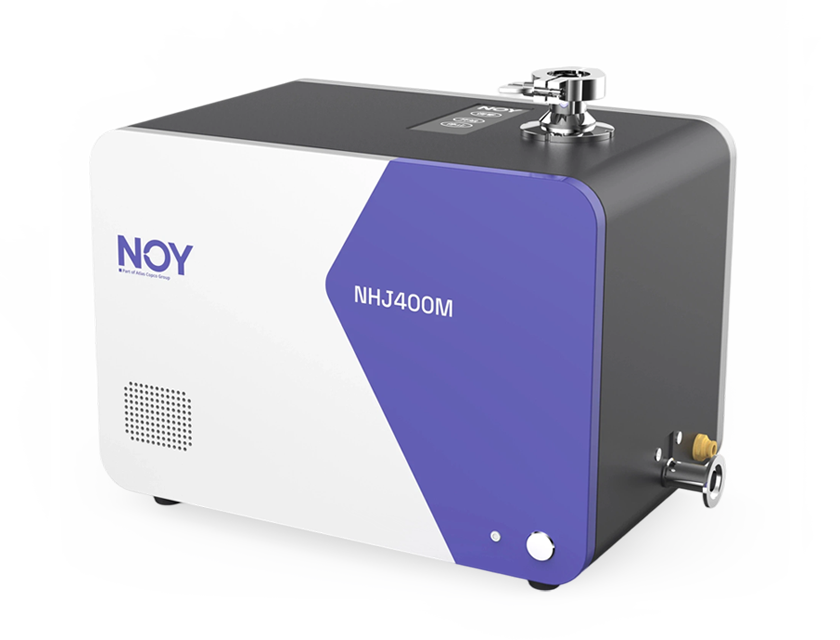
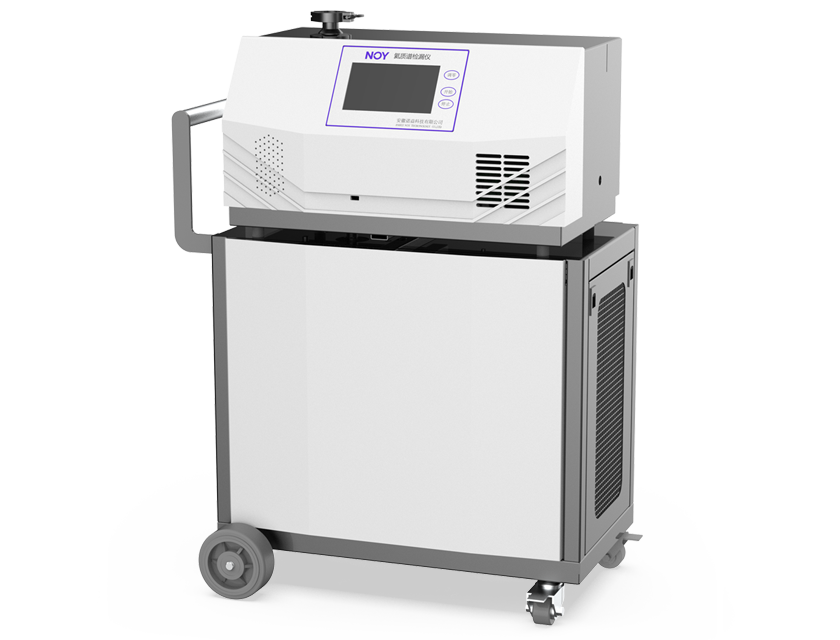
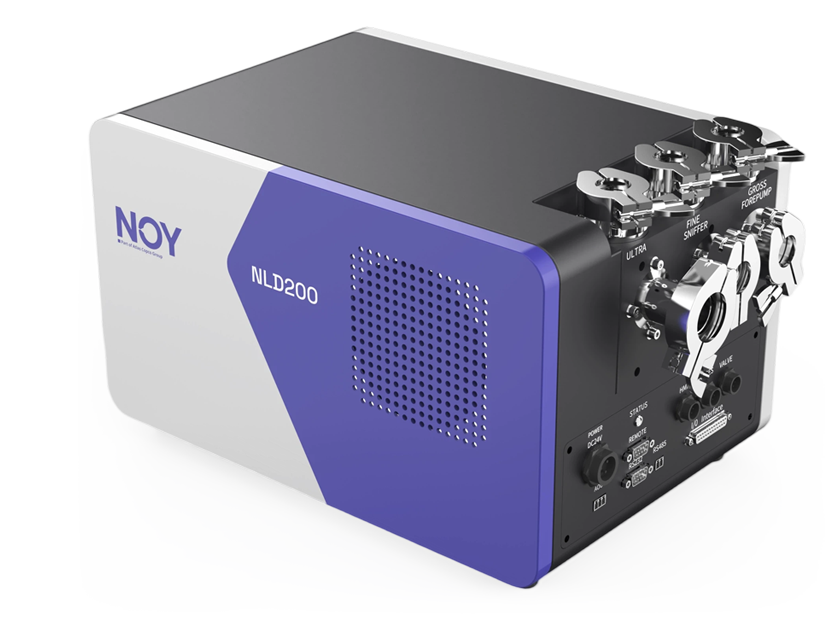
The helium mass spectrometer leak detector developed and manufactured by Anhui NOY Technology Co., Ltd. is a mass spectrometry instrument primarily used for vacuum leak detection. It offers excellent performance and high sensitivity. Generally, the helium mass spectrometer leak detector consists of a mass spectrometer chamber, a vacuum system, and an electrical system, and sometimes requires an auxiliary vacuum system.
Now, Anhui NOY Technology Co., Ltd. takes the 180° magnetic sector field analyzer leak detector as an example to provide a detailed explanation as follows:
I. Mass Spectrometer Chamber
Figuratively speaking, the mass spectrometer chamber is the heart of the helium mass spectrometer leak detector. It consists of three parts: the ion source, the analyzer, and the electrical system. A cold cathode magnetron gauge is also placed inside, sharing the same magnetic field. To facilitate the amplification of minute ion currents, the first-stage amplification high-value resistor and the electrometer tube are also housed within the mass spectrometer chamber. The chamber housing is made of non-magnetic material and evacuated internally, while a magnet is placed externally to generate the magnetic field for the mass analyzer.
II. Vacuum System
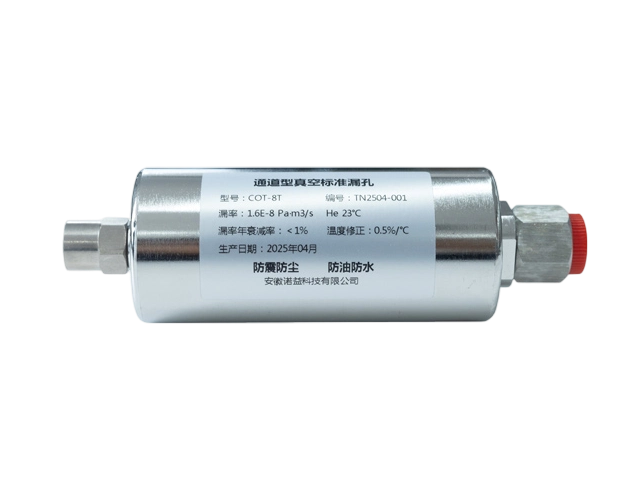
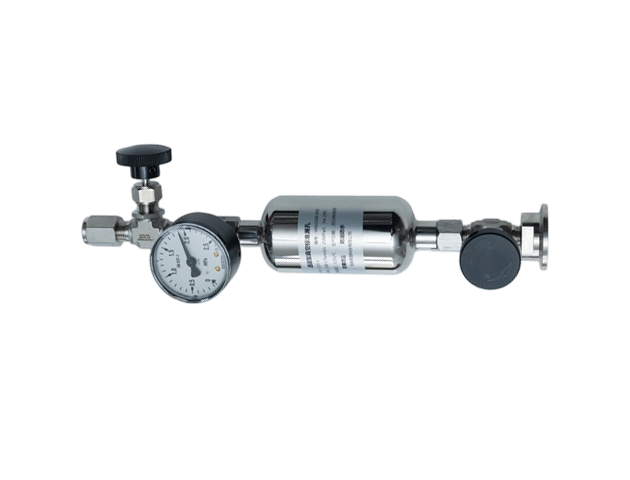
The vacuum system provides the necessary conditions for the proper operation of the mass spectrometer chamber. Since the tungsten cathode requires a vacuum level of 0.001–0.01 Pa for normal operation, and to ensure a high transmission rate for helium ions through the analyzer, a high-vacuum system is essential. A regulating valve is incorporated into the system to adjust the operating pressure of the mass spectrometer chamber. The leak detection sensitivity is highest when the valve is fully open, so it is advisable to keep it as open as conditions allow. A standard leak is also integrated into the system for calibration purposes.
III. Electrical System
The core of the electrical system in a helium mass spectrometer is the power supply and measurement for the mass spectrometer chamber. Other components include the vacuum system power supply and controls, the operator panel, and output instruments. The system mainly comprises a small-current amplifier and output unit, a low-frequency generator, a high-voltage rectifier and emission current stabilizer, and a high-voltage rectifier providing power to the cold cathode magnetron gauge.
IV. Auxiliary Vacuum System Configuration
In helium mass spectrometer leak detection technology, depending on the structure of the test piece, size requirements, and specific leak detection conditions, it is sometimes essential to configure an auxiliary vacuum system. This system serves functions such as pre-evacuating the test piece, maintaining the working vacuum for the leak detector,分流ing gases, shortening response and clearing times, and minimizing adverse effects on sensitivity.
The above is an overview of the overall structure of the helium mass spectrometer leak detector from Anhui NOY Technology. For further information about helium mass spectrometry, please continue to follow the official website of Anhui NOY Technology Co., Ltd., or call us for more details: 4001-677-880!
The helium mass spectrometer leak detector developed and manufactured by Anhui NOY Technology Co., Ltd. is a mass spectrometry instrument primarily used for vacuum leak detection. It offers excellent performance and high sensitivity. Generally, the helium mass spectrometer leak detector consists of a mass spectrometer chamber, a vacuum system, and an electrical system, and sometimes requires an auxiliary vacuum system.
Now, Anhui NOY Technology Co., Ltd. takes the 180° magnetic sector field analyzer leak detector as an example to provide a detailed explanation as follows:
I. Mass Spectrometer Chamber
Figuratively speaking, the mass spectrometer chamber is the heart of the helium mass spectrometer leak detector. It consists of three parts: the ion source, the analyzer, and the electrical system. A cold cathode magnetron gauge is also placed inside, sharing the same magnetic field. To facilitate the amplification of minute ion currents, the first-stage amplification high-value resistor and the electrometer tube are also housed within the mass spectrometer chamber. The chamber housing is made of non-magnetic material and evacuated internally, while a magnet is placed externally to generate the magnetic field for the mass analyzer.
II. Vacuum System
The vacuum system provides the necessary conditions for the proper operation of the mass spectrometer chamber. Since the tungsten cathode requires a vacuum level of 0.001–0.01 Pa for normal operation, and to ensure a high transmission rate for helium ions through the analyzer, a high-vacuum system is essential. A regulating valve is incorporated into the system to adjust the operating pressure of the mass spectrometer chamber. The leak detection sensitivity is highest when the valve is fully open, so it is advisable to keep it as open as conditions allow. A standard leak is also integrated into the system for calibration purposes.
III. Electrical System
The core of the electrical system in a helium mass spectrometer is the power supply and measurement for the mass spectrometer chamber. Other components include the vacuum system power supply and controls, the operator panel, and output instruments. The system mainly comprises a small-current amplifier and output unit, a low-frequency generator, a high-voltage rectifier and emission current stabilizer, and a high-voltage rectifier providing power to the cold cathode magnetron gauge.
IV. Auxiliary Vacuum System Configuration
In helium mass spectrometer leak detection technology, depending on the structure of the test piece, size requirements, and specific leak detection conditions, it is sometimes essential to configure an auxiliary vacuum system. This system serves functions such as pre-evacuating the test piece, maintaining the working vacuum for the leak detector,分流ing gases, shortening response and clearing times, and minimizing adverse effects on sensitivity.
The above is an overview of the overall structure of the helium mass spectrometer leak detector from Anhui NOY Technology. For further information about helium mass spectrometry, please continue to follow the official website of Anhui NOY Technology Co., Ltd., or call us for more details: 4001-677-880!